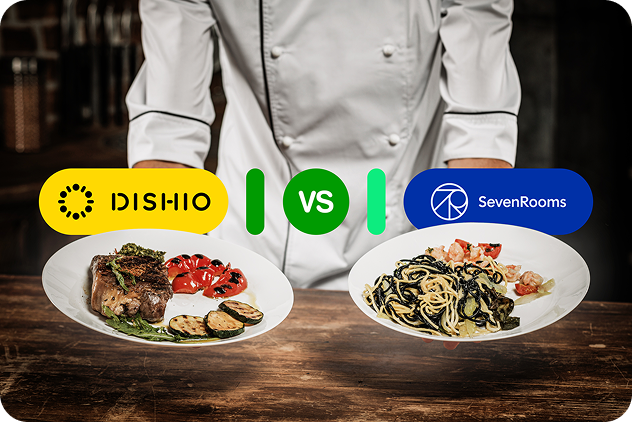
Dishio vs SevenRooms
Feature Comparison
| Feature | Dishio | SevenRooms |
|---|---|---|
| Automated re-engagement | Automated follow-ups based on real guest behavior | Email and SMS campaigns are mostly linked to reservations |
| Guest data capture and insights | Smart data capture from QR menus, Smart Sites, POS, loyalty, and reservations | Strong guest profiles built from bookings and visit history |
| Multi-channel automation | Full journey automation across email, ads, offers, reviews, loyalty | Automated marketing is available, with less end-to-end coverage |
| Revenue clarity | Real-time clarity on visits, spend, revenue, and ROI | Good analytics focused on service and experience |
| In-store data capture | Capture at table through QR menus, digital menus, Smart Sites | Primarily reservation-based capture |
| Integrations | POS and marketing stack integration with Toast, Square, Aloha, Meta, and Google | POS and CRM integrations, focused on FOH operations |
| Multi-unit scalability | Built for multi-location scalability with central control and local activation | Enterprise-ready, oriented toward service workflows |
| Omni-source engagement | QR, POS, loyalty, website, Smart Sites, reservations | Reservations, waitlist, FOH guest interactions |
What Dishio Is and Why It Exists
Dishio is the AI-powered growth engine for restaurants. It is built for independent operators and multi-location groups that want to grow repeat business and understand what drives revenue across their locations.
Dishio was created because restaurants do not know who their guests are, and that loss of data costs repeat business. Dishio flips that dynamic by capturing guest interactions and turning them into revenue through simple automated marketing and clear reporting.
Capture → Convert → Clarity
Capture
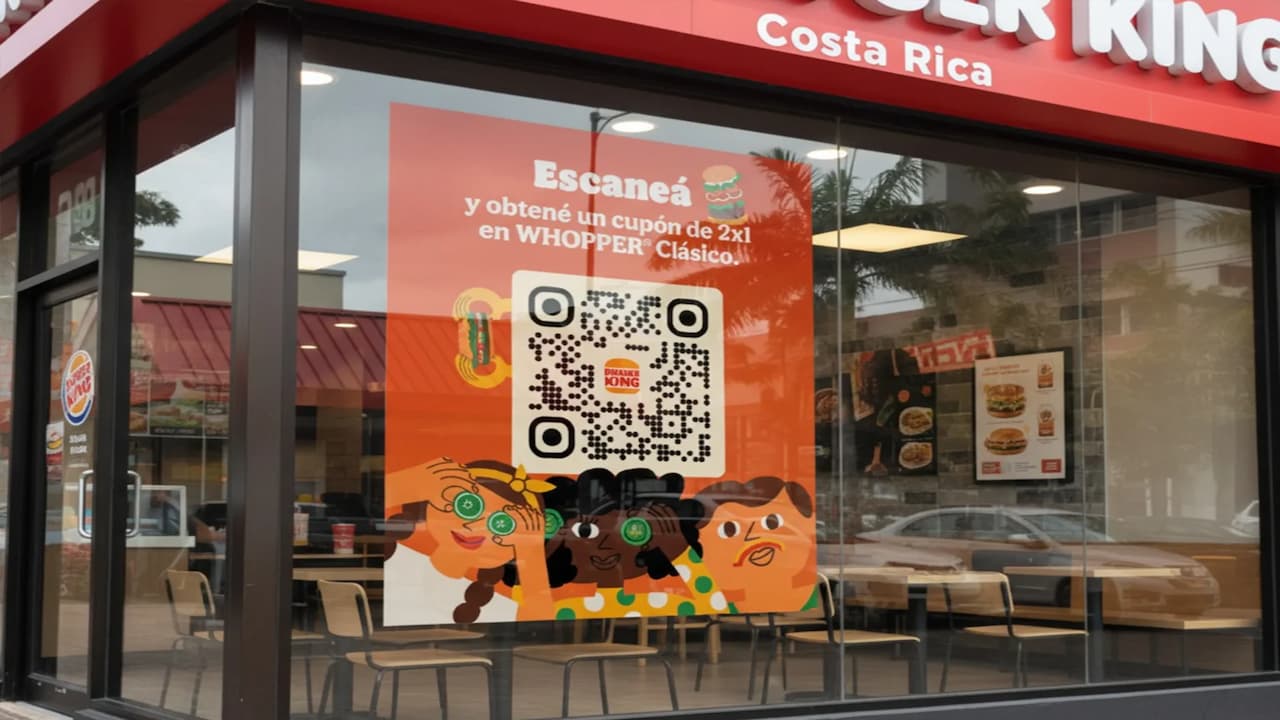
Dishio collects guest data through QR menus, digital menus, Smart Sites, mobile links, POS connections, loyalty actions, and reservations. Every visit becomes structured data without adding work to your staff.
Convert
Dishio turns data into repeat business through automated follow-ups, behavior-based re-engagement, Smart Sites, offers, email flows, retargeting, review triggers, and loyalty prompts. It is marketing that follows the guest and brings them back.
Clarity
Dishio provides real-time clarity with dashboards that show visits, spend, revenue uplift, ROI, and multi-location performance so operators know exactly what is working.
Pros
- Automated follow-ups that re-engage guests.
- Omni-source capture across in-store and digital workflows.
- Scalable for multi-location groups.
- POS and marketing stack integration.
- Real-time clarity across every location.
Cons
Activation may take longer for restaurants with no digital workflows at all
Ideal For
- Any restaurant wanting growth.
- Multi-location groups.
- Teams with basic digital readiness.
- Operators who value measurable outcomes and simple automation.
What SevenRooms Offers
SevenRooms is a hospitality platform known for reservations, guest profiles, and front-of-house operations. It helps restaurants personalize service, manage bookings, and streamline guest flow.
Strengths
- Robust reservation and waitlist management.
- Strong guest profiles built from booking data.
- Useful segmentation based on visit history.
- Broad ecosystem of integrations.
- Well-suited for operators focused on hospitality and guest experience.
Gaps
- Data capture is centered around reservations rather than in-store interactions.
- Growth automation features are present, but are less focused on full-journey engagement.
- Reporting is effective but more oriented toward service and FOH metrics.
- Operators without a reservation-heavy model may use fewer of their strengths.
Ideal For (priority-based)
Operators whose main priority is reservation management, seating flow, and FOH hospitality workflows.
Teams focused on personalized service and booking optimization.
Key Differences That Shape Growth
Where Dishio pulls ahead
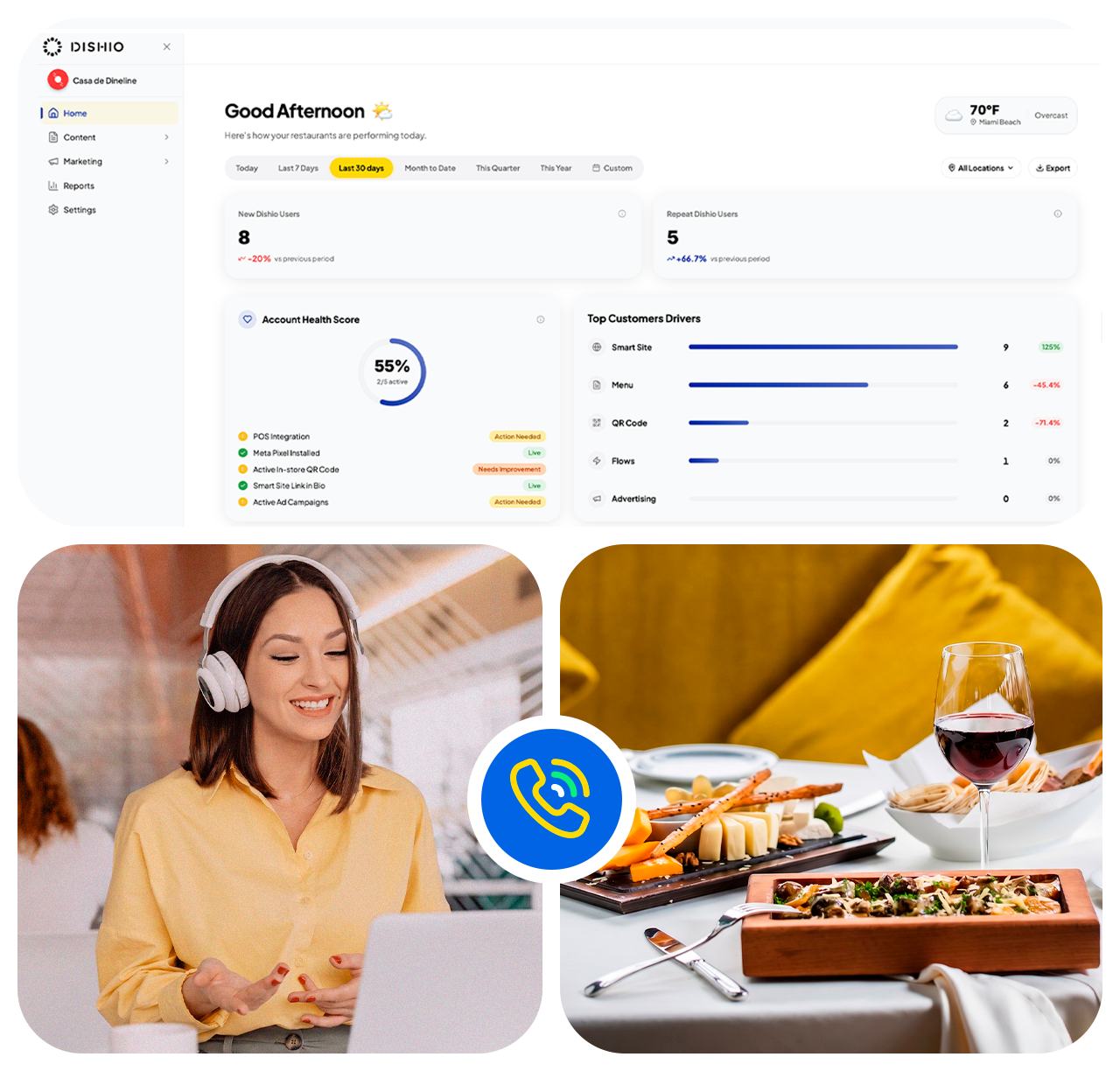
Dishio captures guest data at every touchpoint, including QR menus, Smart Sites, POS activity, loyalty actions, and reservations. This creates more opportunities to activate engagement, not only when guests book.
What sets Dishio apart
Dishio offers full journey automation from the first visit to repeat revenue. Follow-ups, loyalty prompts, offers, retargeting, and review triggers run automatically and are based on real behavior.
Where growth compounds
Dishio is built for multi-location clarity with centralized data and automated flows that scale across units. Operators can see real-time results and understand what drives revenue.
Where readiness accelerates impact
Dishio supports any type of restaurant. Teams with basic digital workflows see faster growth because their guest data activates sooner.
Which Should You Choose
Both platforms support restaurants, and both can serve any model. The real difference lies in your priorities and how much of your guest traffic you want to activate.
If your main priorities are managing reservations, seating flow, and hospitality workflows, SevenRooms offers robust tools.
If your priority is growing repeat business, capturing guest data at scale, automating follow-ups, and getting real-time clarity across locations, Dishio provides a more straightforward long-term path.
Most restaurants see 45–65 percent of their total traffic from walk-ins. These guests never touch the reservation system. They eat, they pay, and they disappear with no data captured. This is where Dishio complements platforms like SevenRooms. Dishio helps you capture and re-engage the majority of your guests who would otherwise be invisible to your CRM or reservation flow.
Dishio works for any type of restaurant. Impact accelerates when teams are ready to activate guest data through simple digital workflows.